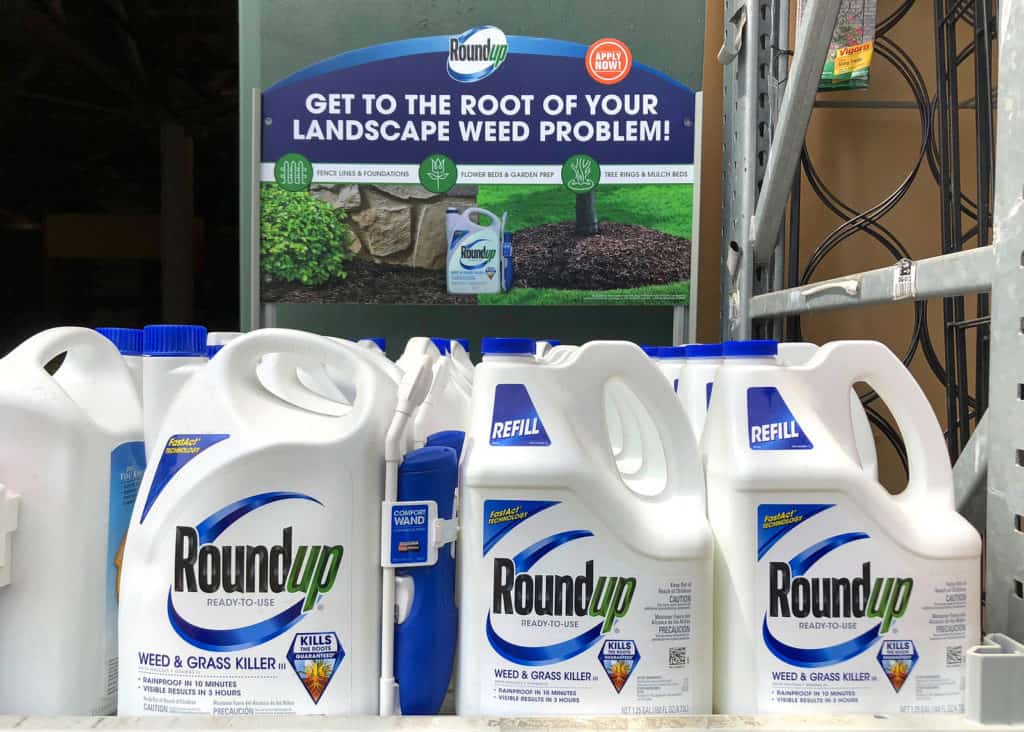
A St. Louis jury sided with Monsanto on Thursday in the first Roundup cancer trial since the U.S. Supreme Court cut off the warning label claims that drove most of the earlier lawsuits. The unanimous verdict comes as a Missouri judge weighs Bayer’s proposed $7.25 billion settlement of tens of thousands of other Roundup claims.
The St. Louis Roundup Trial
Three women, Theresa Aretino, Cynthia Fernandez and Betty Larkin, sued Monsanto in 2020, saying they used Roundup regularly and later developed non-Hodgkin lymphoma. The case was tried in Missouri state court in St. Louis as Aretino v. Monsanto Co.
Because of the Supreme Court’s ruling, the women could not argue that Monsanto failed to warn them about cancer. Their lawyers instead argued that Roundup was defectively designed and unreasonably dangerous, and that Monsanto was negligent in selling it. The jury rejected those claims.
Bayer, which bought Monsanto in 2018, said the verdict should send a strong signal to plaintiffs who want to pursue Roundup claims in court rather than through the settlement. The company maintains that decades of studies show glyphosate, Roundup’s active ingredient, does not cause cancer. In 2015, the World Health Organization’s cancer research agency classified glyphosate as “probably carcinogenic” to humans.
What the Supreme Court Changed
For years, Roundup plaintiffs won large verdicts by arguing that Monsanto should have warned users about cancer risk, including a $2 billion jury award to a California couple in 2019 that was later reduced. On June 25, 2026, in Monsanto v. Durnell, the Supreme Court ruled 7-2 that federal pesticide law blocks those state law warning claims, because a pesticide label must match the one the EPA approved, and the EPA has not required a cancer warning on Roundup.
The Court did not decide whether other claims, such as design defect and negligence, can go forward. Bayer argues they are also barred. Plaintiffs’ lawyers say they are not. Thursday’s verdict is the first test of those remaining claims in front of a jury.
The $7.25 Billion Roundup Settlement
Bayer still faces about 65,000 Roundup claims in state and federal courts. Its main plan to resolve them is a $7.25 billion class settlement filed in February in the Circuit Court of the City of St. Louis. It would cover people exposed to Roundup in the U.S. before February 17, 2026, including people who have not been diagnosed with cancer, with payments spread over as long as 21 years.
Judge Timothy Boyer held a fairness hearing on September 14 and has not yet ruled on final approval. The deadline to opt out of the settlement was June 4, 2026. People who opted out, like the three St. Louis plaintiffs, can still take their claims to trial.
Common Questions
Who were the plaintiffs in the St. Louis Roundup trial?
Theresa Aretino, Cynthia Fernandez and Betty Larkin sued Monsanto in St. Louis in 2020. They said they used Roundup regularly and later developed non-Hodgkin lymphoma. They are not part of Bayer’s proposed class settlement.
What did the Supreme Court decide about Roundup?
In Monsanto v. Durnell, decided June 25, 2026, the Court ruled 7-2 that federal pesticide law blocks state claims that Monsanto should have put a cancer warning on Roundup, because the label must match the one the EPA approved. It did not decide whether design defect or negligence claims can go forward.
Is there a Roundup class action settlement?
Yes. Bayer’s proposed $7.25 billion settlement is a class settlement pending in the Circuit Court of the City of St. Louis. It would cover people exposed to Roundup in the U.S. before February 17, 2026, including people not yet diagnosed. Judge Timothy Boyer held a fairness hearing on September 14 and has not ruled. The deadline to opt out was June 4, 2026.
How much would the Roundup settlement pay?
According to the settlement website, payments would range from about $6,000 to more than $165,000 per person, before attorney fees and medical liens, paid over as long as 21 years. No payments will be made unless the judge grants final approval.
Doyle APC works with experienced co-counsel on Roundup lawsuits involving non-Hodgkin lymphoma.