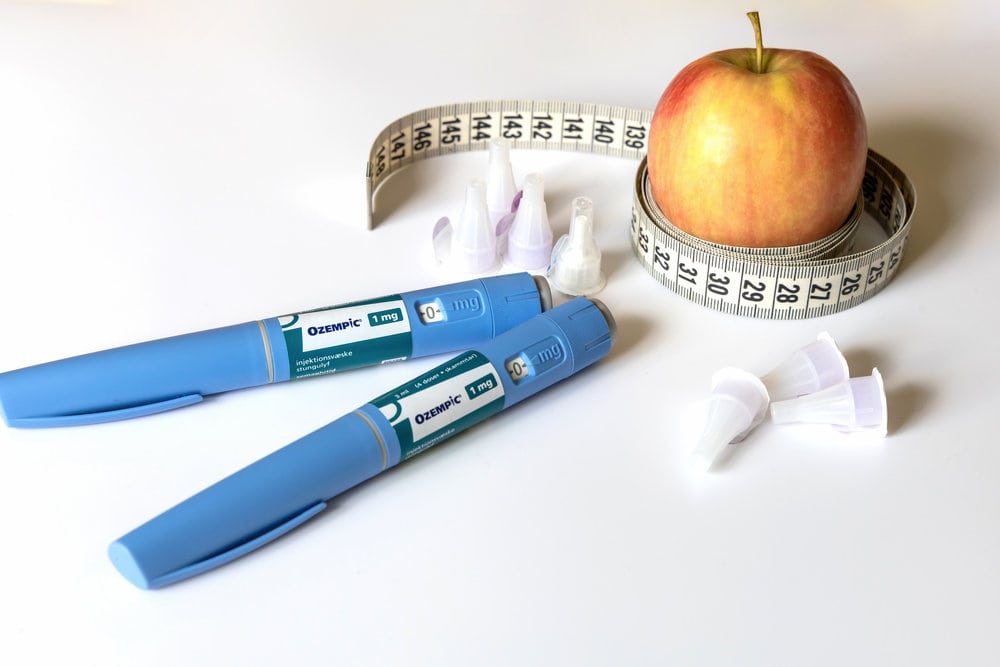
The U.S. Food and Drug Administration on Monday, November 9, ordered the makers of Ozempic, Wegovy, Mounjaro, Zepbound and every other GLP-1 drug to warn patients and doctors about a possible increased risk of NAION, a rare eye condition that can cause sudden and permanent vision loss in one eye.
The new warning goes in the Warnings and Precautions section of each drug’s label, the part doctors rely on for serious risks. It arrives as nearly 280 vision loss lawsuits are pending in federal court in Philadelphia, claiming that Novo Nordisk or Eli Lilly failed to warn about this risk.
What the FDA Ordered
In a Drug Safety Communication, the FDA said it is requiring the companies that hold approval for all GLP-1 receptor agonist medications to add information about the “potential increased risk of NAION” to their labels. The agency said NAION cases have been reported with every GLP-1 drug now on the market.
The order covers semaglutide (Ozempic, Wegovy and Rybelsus), tirzepatide (Mounjaro and Zepbound), liraglutide (Victoza, Saxenda and Xultophy), dulaglutide (Trulicity), exenatide, lixisenatide (Soliqua) and orforglipron (Foundayo).
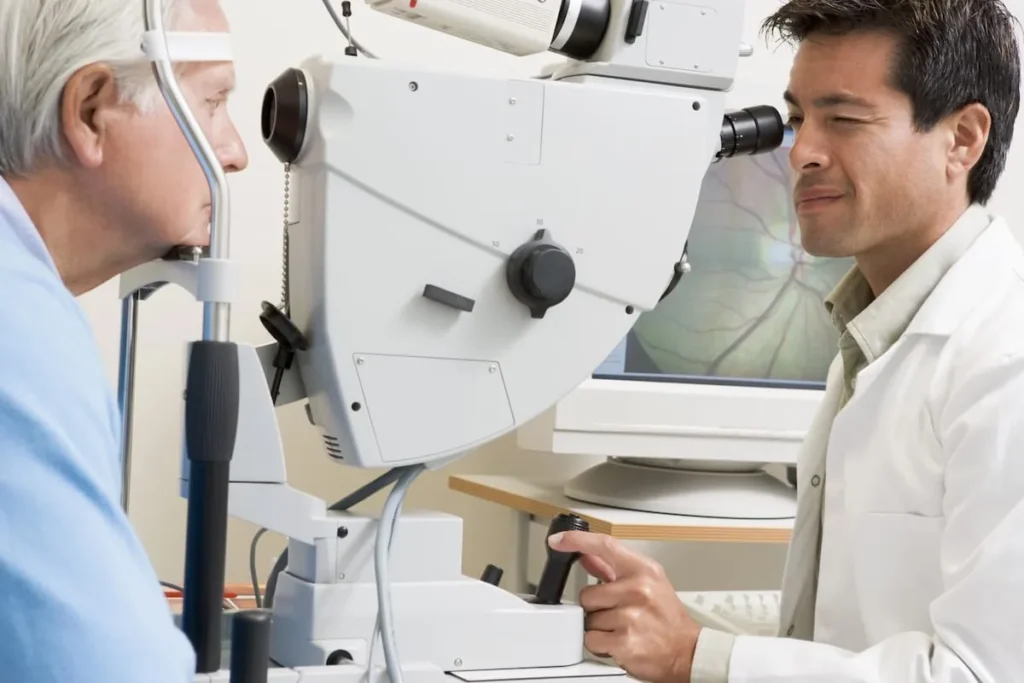
NAION stands for non-arteritic anterior ischemic optic neuropathy. It happens when blood flow to the front of the optic nerve drops, damaging the nerve. It usually causes painless vision loss in one eye, often noticed on waking, and the damage is usually permanent.
What the FDA Reviewed
The FDA described the risk as a potential increase in rare events and said the cause of NAION is not completely understood. Its review included:
- Clinical trials: 126 randomized trials with more than 134,000 patients, in which NAION occurred at a rate of 6.4 cases per 100,000 years of patient use on GLP-1 drugs, compared with 3.8 in the comparison groups.
- Real-world data: an FDA Sentinel study of adults with type 2 diabetes from 2019 to 2024, which found a higher risk of NAION with GLP-1 drugs than with DPP-4 inhibitors, another class of diabetes drugs. The comparison with SGLT-2 inhibitors showed a smaller difference that was not statistically significant.
- Published studies: the FDA said the more rigorous observational studies of people with type 2 diabetes consistently showed an increased risk. Its review followed a July 2024 study in JAMA Ophthalmology, by researchers at Massachusetts Eye and Ear, that linked semaglutide to NAION.
European regulators reached a similar conclusion in June 2025, when a safety committee of the European Medicines Agency found NAION to be a very rare side effect of semaglutide, affecting up to 1 in 10,000 people. The World Health Organization issued its own alert later that month.
Warning Signs Patients Should Know
The FDA told patients to contact their health care provider right away if they notice sudden vision loss in one eye, blind spots or tunnel vision, changes in how colors look, or blurry or hazy central vision. Patients who have NAION should talk with their doctor about whether to keep taking the drug. The FDA advised doctors to refer patients with suspected NAION to an eye specialist promptly and to consider stopping the GLP-1 drug unless the benefits clearly outweigh the risk.
Smoking, diabetes, high blood pressure, sleep apnea, anemia and kidney disease also raise the risk of NAION, the agency said, and a person who has had NAION in one eye faces a higher risk in the other eye.
How the Drugmakers Responded
Eli Lilly said it is carefully evaluating the update and will respond to the FDA promptly, noting that the FDA’s communication applies to all GLP-1 medicines and does not cite any findings specific to Lilly’s drugs. Novo Nordisk said it continues to believe the data do not establish a cause-and-effect relationship and remains confident in the benefit-risk profile of its GLP-1 medicines.
What It Means for the Vision Loss Lawsuits
People who say they lost vision after taking a GLP-1 drug have filed lawsuits claiming the drugmakers knew or should have known about the risk and failed to warn, among other claims. On December 15, 2025, the Judicial Panel on Multidistrict Litigation gathered the federal cases into a separate multidistrict litigation, In re: GLP-1 RAs Non-Arteritic Anterior Ischemic Optic Neuropathy Products Liability Litigation, MDL No. 3163, before U.S. District Judge Karen S. Marston in the Eastern District of Pennsylvania. The defendants are Novo Nordisk and Eli Lilly.
As of November 2, 2026, 278 cases were pending in the MDL. Judge Marston has ordered that two questions be decided first: whether the drugs can cause NAION, and whether federal law blocks the failure-to-warn claims or the warnings were adequate. Plaintiffs’ expert reports are due in March 2027, and motions challenging expert testimony and seeking summary judgment are due in July 2027. No trial date has been set, and there has been no settlement.
The new warning does not decide those questions. It does mean U.S. labels now tell patients and doctors what the lawsuits claim earlier patients were never told. The same judge oversees more than 4,000 separate cases over stomach paralysis and intestinal blockages. Read more about the Ozempic stomach paralysis and vision loss lawsuits.
Doyle APC is investigating GLP-1 vision loss lawsuits nationwide.
Common Questions
What did the FDA announce about GLP-1 drugs and vision loss?
On November 9, 2026, the FDA required the makers of all GLP-1 drugs, including Ozempic, Wegovy, Rybelsus, Mounjaro, Zepbound, Trulicity and Saxenda, to add a warning about a potential increased risk of NAION to the Warnings and Precautions section of their labels.
What is NAION?
NAION, or non-arteritic anterior ischemic optic neuropathy, is damage to the optic nerve caused by reduced blood flow. It usually causes sudden, painless vision loss in one eye, and the damage is usually permanent.
Should I stop taking Ozempic or Mounjaro?
Talk with your doctor before making any change. The FDA advised patients to contact a health care provider right away about sudden vision changes, and told doctors to consider stopping a GLP-1 drug after a NAION diagnosis unless the benefits clearly outweigh the risk.
Is there a class action over Ozempic vision loss?
No. The vision loss cases are individual injury lawsuits grouped in a federal multidistrict litigation, MDL No. 3163, so pretrial matters can be handled together. Each person keeps their own claim.
How many GLP-1 vision loss lawsuits have been filed?
As of November 2, 2026, 278 cases were pending in MDL No. 3163 in the U.S. District Court for the Eastern District of Pennsylvania.
Has there been a settlement of the vision loss lawsuits?
No. As of November 2026, neither Novo Nordisk nor Eli Lilly has announced a settlement, and no trial date has been set.
Injured by Ozempic or Another GLP-1 Drug?
Doyle APC helps people and families nationwide. You pay nothing unless we recover.