A Seattle judge has ordered Albertsons to pay $900 million for its role in Washington’s opioid crisis, finding that the grocery chain’s pharmacies filled millions of suspicious painkiller prescriptions for years without checking whether they were legitimate. King County Superior Court Judge Janet M. Helson issued the ruling on Thursday, November 5, after a nine-week trial.
Albertsons runs more than 200 pharmacies in Washington under its Albertsons, Safeway and Haggen names. It was the last chain left in a lawsuit the state attorney general’s office filed in 2022 against several major pharmacy companies.
What the Judge Found
The case was tried to the judge, without a jury, from July 13 to September 14. In her written findings, Judge Helson concluded that Albertsons and its Safeway subsidiary created and maintained a public nuisance and violated Washington’s Consumer Protection Act.
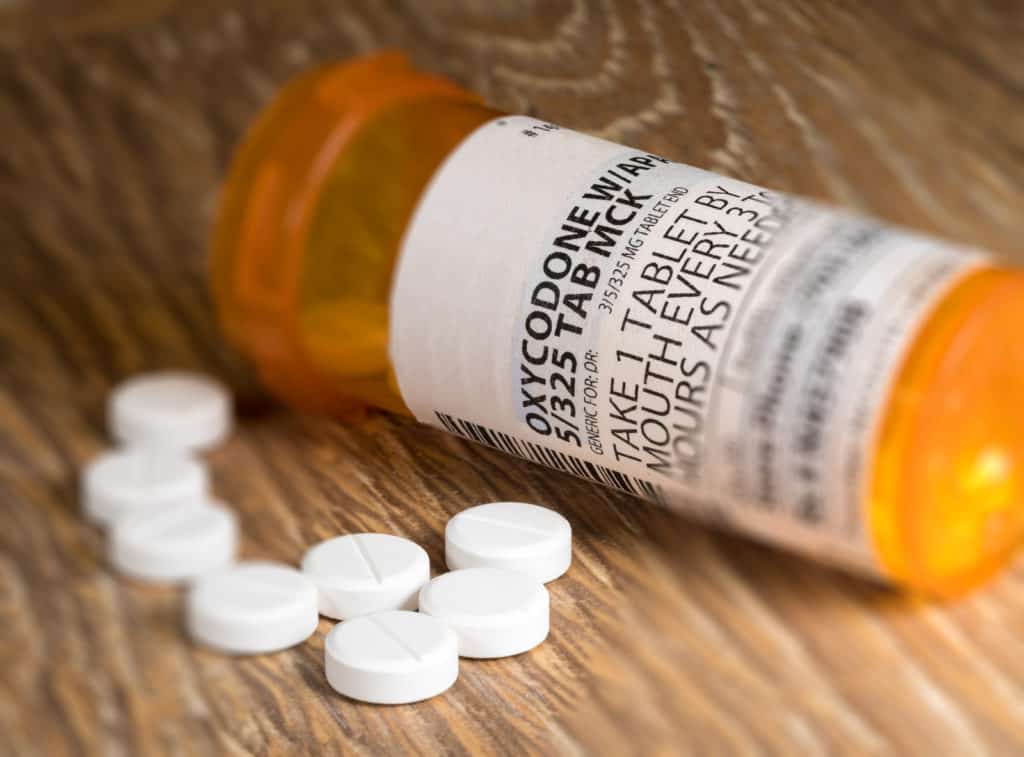
The court found that Albertsons dispensed more than 6.5 million opioid prescriptions carrying red flags of diversion, the warning signs that pills may be misused or resold, and that 96% of them were filled with no record that a pharmacist resolved the concern. Between 2006 and 2022, the company’s Washington pharmacies dispensed more than 640 million opioid pills.
According to the attorney general’s office, Albertsons did not let its pharmacists turn away prescriptions from known “pill mill” doctors even after competing chains had blocked them. The judge found the company cut off those prescribers only after their medical licenses were suspended or revoked. Evidence at trial also showed large thefts that went unnoticed, including a Safeway employee who stole more than 70,000 opioid pills from a North Bend pharmacy over two years, plus about 12,000 pills taken from a Leavenworth store and 19,000 from an Olympia location.
Where the $900 Million Goes
The state had asked for $2.2 billion. Judge Helson instead ordered Albertsons to pay $800 million into a court supervised trust to “abate,” or reduce, the harm from the opioid crisis in Washington, plus $100 million in civil penalties, along with the state’s fees and costs. If the abatement award is overturned on appeal, the penalties rise to about $338 million under the ruling.
Attorney General Nick Brown said in a statement that the verdict “can’t undo the devastating harms of the opioid crisis, but it will provide desperately needed resources to support treatment and prevent future crises.” The money goes to the state for treatment and prevention programs, not to individual people.
Albertsons Is Weighing an Appeal
Albertsons denied wrongdoing at trial, arguing that doctors wrote the prescriptions and that pharmacists did not have to second-guess them without a strong reason to suspect a problem. After the ruling, the company said it “is disappointed by the court’s ruling and respectfully disagrees with its conclusions,” adding that it will “evaluate all available options, including appeal.”
In April, Albertsons announced a $774 million settlement, paid over nine years, to resolve most of the opioid lawsuits against it nationwide. Washington did not join that deal and took its case to trial instead. The state’s earlier settlements include a 2024 agreement in which Kroger agreed to pay Washington $47.5 million.
Why the Public Nuisance Ruling Matters
Opioid lawsuits by states, counties and cities have mostly ended in large settlements with drugmakers, distributors and pharmacy chains, so trial rulings like this one are rare. LegalScoops has followed earlier cases against pharmacies, including Florida’s lawsuit against CVS and Walgreens and federal data on the companies behind the pill supply.
The same public nuisance theory now appears in other mass torts. In 2023, Seattle Public Schools sued Meta, TikTok, Snap and Google, alleging their platforms created a public nuisance by harming students’ mental health. Families can follow those cases in the social media addiction lawsuits.
Common Questions
Who has to pay in the Washington opioid case?
Albertsons Companies, Inc. and its Safeway subsidiary. Judge Janet M. Helson of King County Superior Court found them liable for creating a public nuisance and violating Washington’s Consumer Protection Act, and ordered $800 million for abatement plus $100 million in civil penalties.
Was the Albertsons opioid verdict decided by a jury?
No. The case was tried to the judge alone over nine weeks, from July 13 to September 14, 2026. Judge Helson issued written findings and conclusions on November 5.
Does the Albertsons ruling pay individual people?
No. This was a lawsuit by the State of Washington. The $800 million abatement award goes into a court supervised trust that funds opioid treatment and prevention in the state.
Will Albertsons appeal the $900 million judgment?
Albertsons says it disagrees with the ruling and will evaluate all available options, including an appeal. If the abatement award is overturned, the civil penalties rise to about $338 million.
LegalScoops covers major rulings, verdicts and settlements across mass torts, including 3M’s $7.35 billion firefighting foam settlement.