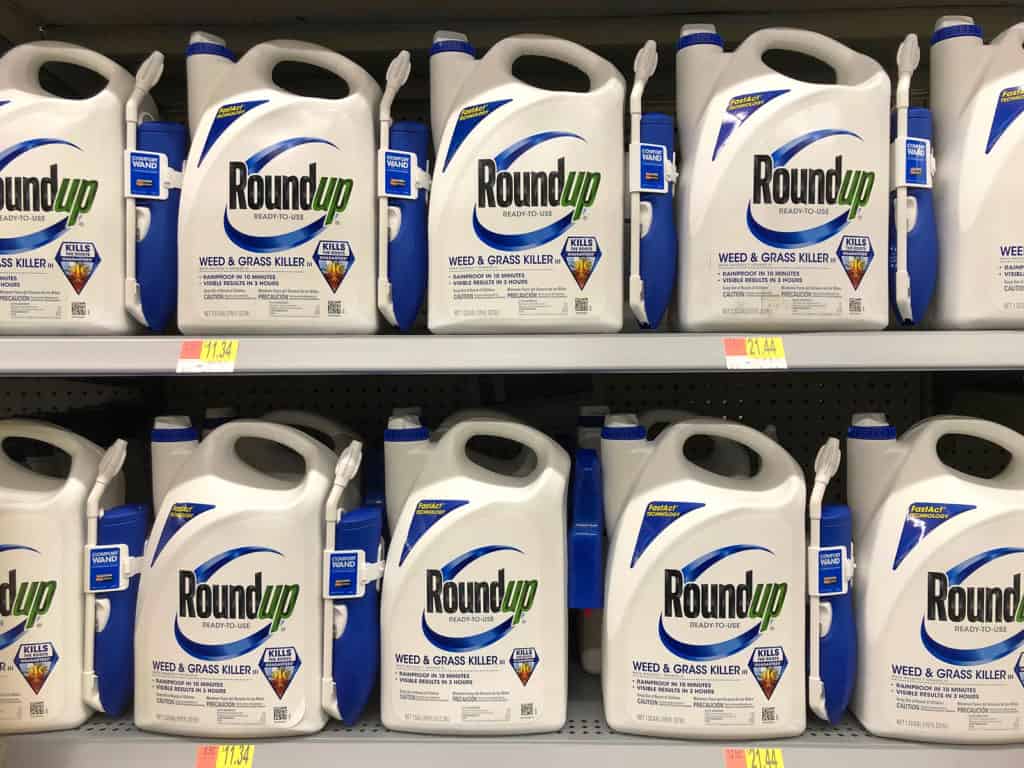
A Missouri state court judge on Friday, November 20, 2026, granted final approval to Bayer’s settlement of up to $7.25 billion. The deal is meant to resolve tens of thousands of lawsuits claiming that Monsanto’s Roundup weedkiller caused non-Hodgkin lymphoma.
St. Louis Circuit Judge Timothy Boyer issued the ruling nine months after Bayer’s Monsanto unit announced the deal in February. The settlement was set up as a nationwide class action in the Circuit Court of the City of St. Louis. It covers people who already have lawsuits on file and people who have not yet been diagnosed.
Who the Roundup Settlement Covers
The class includes people exposed to Roundup products in the United States before February 17, 2026. They must either have a non-Hodgkin lymphoma diagnosis now or receive one within 16 years after final approval. Monsanto will pay the money in declining, capped annual payments over as long as 21 years.
The court-approved settlement website says payments could exceed $165,000. The amount depends on factors such as how severe the cancer is and the person’s age at diagnosis. Bayer has faced roughly 65,000 pending Roundup claims. It paid about $10 billion in 2020 to resolve an earlier wave of cases.
How the Deal Got Here
Judge Boyer granted preliminary approval on March 4, 2026. Class members had until June 4 to opt out or object. Objectors argued that the payments were too low and that the deal would lock in people who wanted to take their own cases to trial. They also tried to move the settlement into federal court, where the judge overseeing the federal Roundup cases in California had raised concerns about it. A federal judge in St. Louis sent the case back to state court in June, and the Eighth Circuit turned away the objectors’ challenge in August.
The landscape changed again on June 25, 2026. That day the U.S. Supreme Court sided with Monsanto and held that claims that Roundup’s label failed to warn about cancer cannot go forward under state law. Bayer said it would keep the class settlement anyway. Boyer held the final approval hearing on September 14 and took the matter under submission. Weeks later, a St. Louis jury sided with Monsanto in the first Roundup trial since the Supreme Court ruling.
What Happens Next
According to the settlement website, people who already have a non-Hodgkin lymphoma diagnosis have 180 days after final approval to register. Claims are due within 180 days after any appeals are resolved. Anyone diagnosed later does not need to register now. They can file a claim within six years of diagnosis or before the 16th annual payment date. People who opted out by the June 4 deadline get no money from the settlement but keep their right to sue Monsanto.
If objectors appeal, payments could be delayed until the appeals are decided.
Doyle APC, the mass tort law firm that sponsors LegalScoops, works with experienced co-counsel on Roundup lawsuits nationwide.
Common Questions
Is the Roundup settlement final?
A Missouri judge granted final approval on November 20, 2026. An appeal could still delay registration and payments.
Do I need a cancer diagnosis to be part of the settlement?
The class includes people exposed before February 17, 2026 who are diagnosed with non-Hodgkin lymphoma within 16 years after final approval. People with no diagnosis do not need to register now.
How much will each person receive?
The settlement website says payments could exceed $165,000, depending on the circumstances of each claim, such as how severe the cancer is. No average has been published.
Is the Roundup settlement a class action or a mass tort?
Roundup cancer cases began as individual lawsuits, a mass tort. Monsanto used a class action settlement to try to resolve current and future claims in one deal.